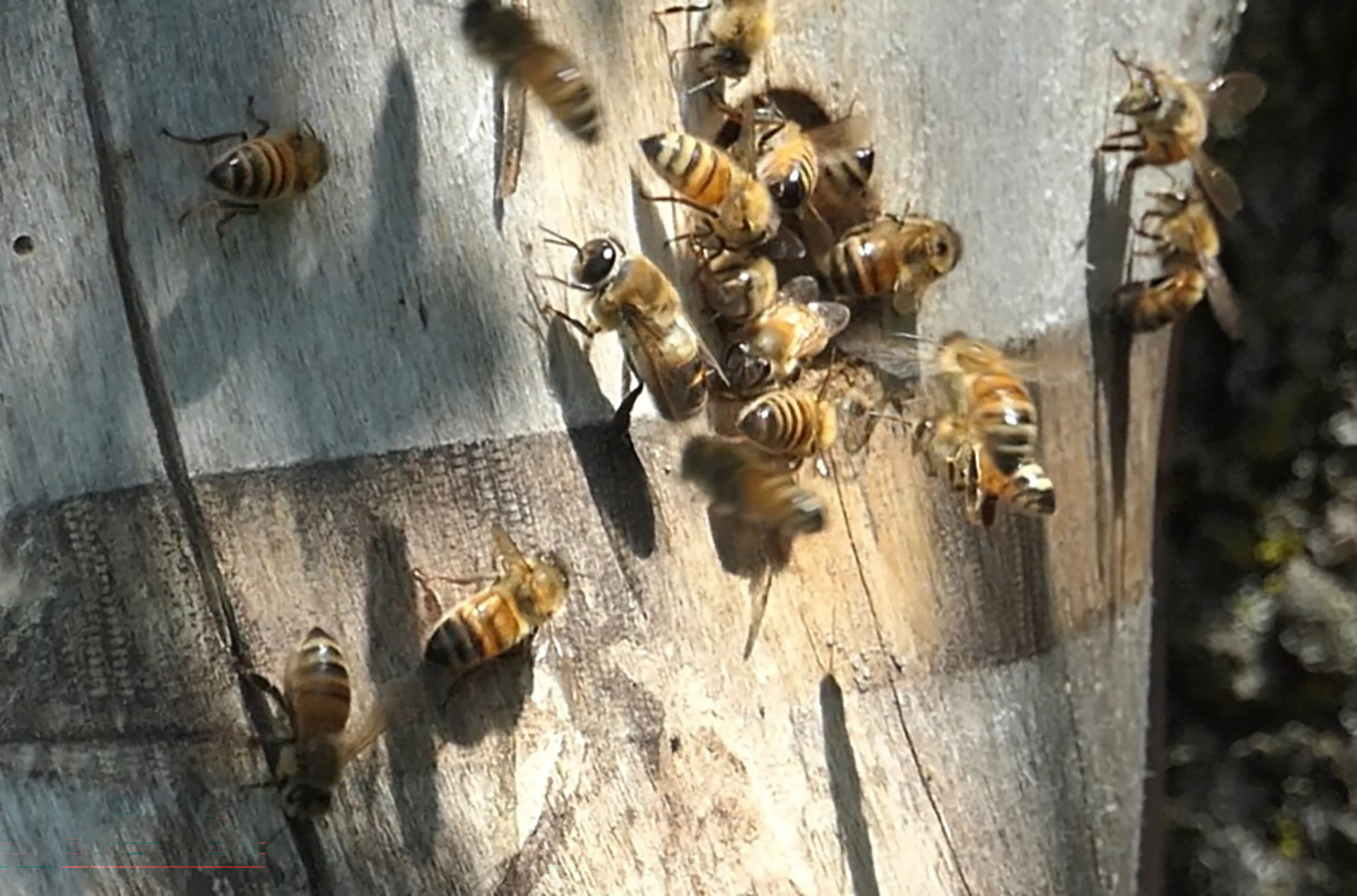
Honeybees play an important role in our environment, helping to pollinate plants, flowers, and food crops. Yet beekeepers around the world continue to face challenges as bee populations are affected by changing weather patterns, habitat loss, pests, disease, and other environmental pressures.
At the Wildflower Bee Farm Foundation, founder Henry Svec is leading an innovative project that combines artificial intelligence (AI), remote monitoring technology powered by VOSKER VKX cellular cameras, and environmental research to better understand honeybee health and behavior. The project is building what may become one of the world’s most extensive databases of honeybee activity at hive entrances.
A Simple Idea That Grew Into Something Bigger
The project began with a simple goal: learn more about bees without disturbing them.
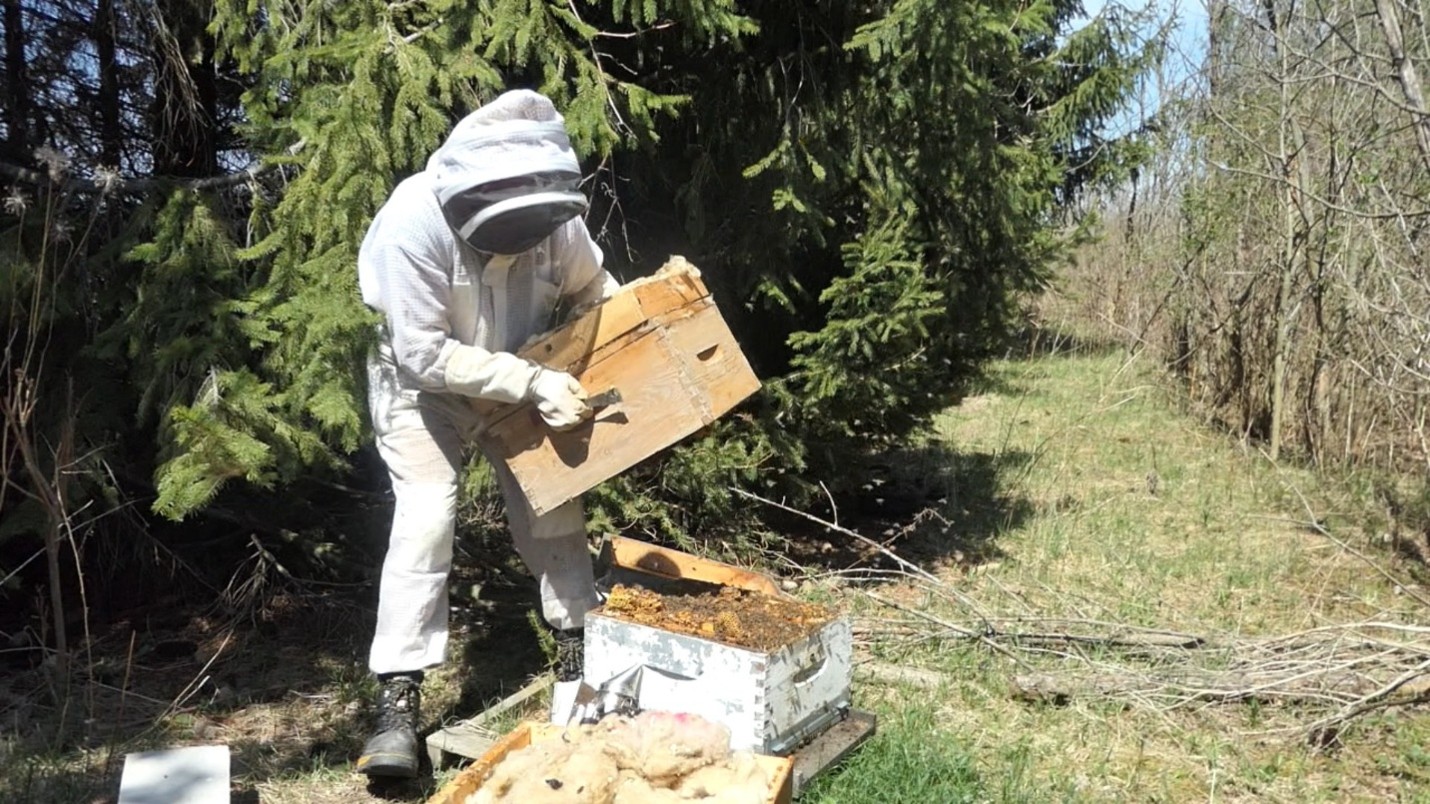
For years, Henry spent time observing hive entrances and manually reviewing video footage, counting bees, identifying pollen collection activity, and looking for clues about overall hive health. His interest started with a simple desire to better understand what was happening inside a hive without constantly opening it. "I started watching the entrance to beehives probably five years ago," he says, "and the purpose was really to learn about them."
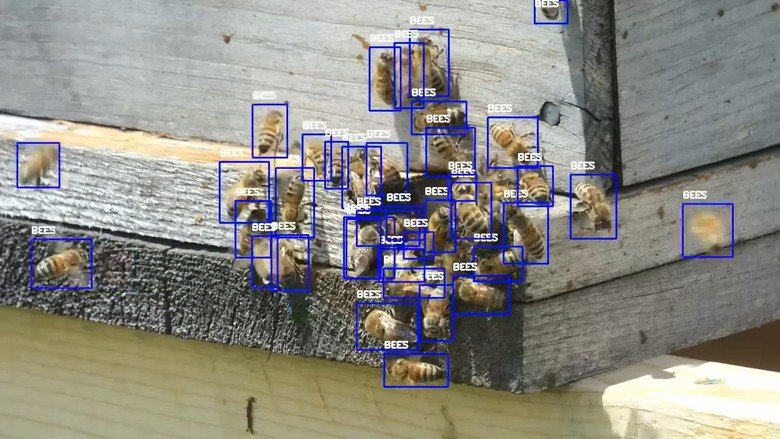
Research has shown that a great deal can be learned by watching the activity at a hive entrance, but collecting that information manually is incredibly time-consuming. As AI technology became more advanced, Henry saw an opportunity to take his observations to the next level. By combining camera footage with AI analysis, it became possible to automatically process large amounts of data and uncover patterns that would otherwise be impossible to detect.
Why Camera Placement Matters
One of the biggest lessons learned during the project was the importance of collecting consistent data.
Early on, footage came from different camera positions and angles, making it difficult to compare results. Today, VOSKER cameras are installed in fixed locations near hive entrances to capture standardized images and video clips. This consistency allows AI tools to accurately count bee activity, identify pollen-carrying bees, distinguish drones from worker bees, and track changes over time.
Since 2023, the project has been collecting continuous data from honeybee colonies along with environmental information such as temperature, humidity, air quality, and other conditions that may influence hive health.
Discovering What We Can’t See
One of the greatest benefits of remote monitoring is the ability to observe bees around the clock.
Unlike traditional hive inspections, cameras continue collecting information when nobody is present. This allows researchers to study bee behavior at night, during rainstorms, and during unexpected environmental events.
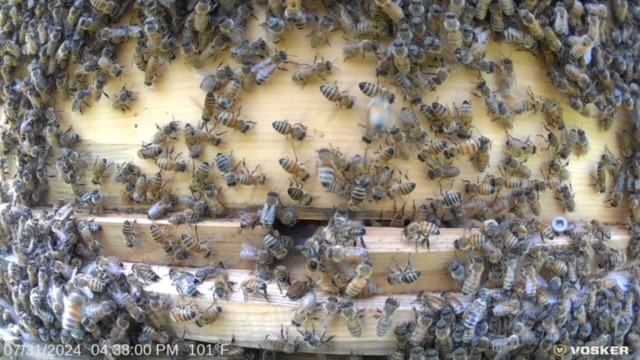
In fact, some of the project’s most interesting discoveries came from continuous observation. For example, researchers observed many hives partially closing their entrances with clusters of bees at night, a behavior that has not yet been widely documented or fully understood. The cameras also helped capture hive takeovers and other rare events that would likely have gone unnoticed during periodic inspections.
These observations are creating new opportunities for researchers to ask questions and investigate behaviors that have received little attention in the past.
Building a Database for Future Generations
The long-term goal of the project is to create a large AI-powered repository of honeybee and environmental data.
As the database grows, researchers will be able to explore relationships between bee activity and environmental factors such as air quality, weather conditions, forest fires, habitat regeneration, and changes in vegetation. Millions of new data points are being added each year to support future analysis.
Henry describes the initiative as a “seventh generation” project, meaning the work being done today could continue providing value for future generations. By building a unique dataset now, new discoveries may become possible as AI technology continues to evolve.
The Role of VOSKER Cameras
For this project, VOSKER cameras provide an important advantage: flexibility.
Because they operate over cellular networks, the cameras can be placed in remote locations without requiring Wi-Fi access. This makes it possible to monitor hives in a wide variety of environments while collecting high-quality images and videos for AI analysis.
For Henry, the project reached a turning point when the right camera technology became available. "When VOSKER came out with the VKX, that was the first camera we could get close-ups of because you have to be close enough to see the bees' legs for pollen, for example, or close enough for the technology to differentiate between a drone and a worker bee," he explains.
The cameras also allow researchers and beekeepers to gather information without interfering with the natural behavior of the bees. Rather than frequently opening hives for inspections, beekeepers can learn from continuous observation and monitor activity from a distance.
Looking Ahead
As AI, remote monitoring, and environmental research continue to evolve, projects like this demonstrate how technology can help us better understand the natural world.
By combining continuous observation with advanced analysis, researchers are uncovering insights that may help improve bee conservation efforts and deepen our understanding of environmental change. What started as one beekeeper’s curiosity has grown into a collaborative effort to learn more about one of nature’s most important pollinators and preserve that knowledge for the future.
For Henry, one of the most meaningful parts of the project has been the opportunity to keep learning from the bees without disrupting them. “The most rewarding part is having this as a way to watch and learn,” he says. “It never stops. Every day you learn more and more about not only nature and bees, but yourself.”
That sense of curiosity is at the heart of the project. By using VOSKER cameras and AI to observe hive activity in a more natural, continuous way, Henry and his collaborators are building a resource that could help future generations better understand honeybees, their environment, and the many factors that affect their survival.